



Monumen Yogya Kembali (Monjali) – Pyramid Tribute to Indonesia’s Struggle
The Monumen Yogya Kembali, popularly known as Monjali, is a pyramid-shaped monument and museum located in Ngaglik, Sleman Regency, Yogyakarta. It commemorates the recapture of Yogyakarta by Indonesian forces and the eventual return of the city as the nation’s capital during the national revolution Wikipediamonjali-jogja.comkumparan.
Construction began on 29 June 1985, with its inauguration on 6 July 1989, symbolically built to mark the historical events of 29 June 1949 when Yogyakarta was liberated and restored to the Indonesian Republic monjali-jogja.comIDN Times Jogjakumparan.
The monument stands 31.8 meters tall and occupies approximately 5.6 hectares, designed in a cone-like structure reminiscent of a tumpeng (traditional ceremonial dish) or mountain—symbolizing fertility and ancestral cultural values monjali-jogja.comYogyeskumparan.

Museum & Exhibits
Monjali spans three floors, each with distinct thematic spaces:
| Floor | Features |
|---|---|
| 1st Floor | Four museum rooms showcasing pre-independence history, guerrilla warfare strategies, the pivotal “General Offensive of 1 March 1949”, and Yogyakarta’s role as Indonesia’s capital Wisata RakyatIDN Times JogjaEF |
| 2nd Floor | Contains 10 dioramas along with 40 reliefs that vividly depict key moments in Indonesia’s fight for independence—from Proclamation Day to military and diplomatic struggles WikipediaWisata RakyatTempoEFIDN Times Jogja |
| 3rd Floor – Garbha Graha | A silent prayer chamber featuring a central flagpole and reliefs representing physical and diplomatic battles. It serves as a quiet tribute to fallen heroes monjali-jogja.comWisata RakyatTempoMuseum NusantaraIDN Times Jogja |
The broader complex includes a memorial wall with the names of 420 martyrs, military weapon replicas, Pendopo (meeting hall), reflection pond surrounding the monument, and replications of wartime aircraft—Cureng and Guntai—at opposing entrances BPK PENABURYogyesIDN Times Jogjakumparan.
In total, the museum houses approximately 1,108 historical artifacts, ranging from ceremonial heraldry, military uniforms, weapons, documentation, to tactical equipment and symbolic relics of struggle BPK PENABURmonjali-jogja.comWisata RakyatTempoEFMuseum Nusantara.
Significance & Symbolism
-
Architectural Symbolism: Monjali’s cone-like design symbolizes fertility, cultural continuity, and connects with a spiritual axis—the “Poros Besar Kehidupan”—that links Merapi, Kraton, Tugu, Panggung Krapyak, and Parangtritis YogyeskumparanMuseum Nusantara.
-
Patriotic Legacy: It stands as a poignant symbol of national pride and unity, offering an immersive educational experience through its architectural form and historical storytelling BPK PENABURSlemankabkumparan.
Exploring Tips & Quick Guide
- Best Season to Visit: May to October — enjoy driest, sunniest days for outdoor fun and great views.
- Getting Around: Rent a car or motorbike for flexibility. Local buses are available; gamelan rides or guided tours add cultural flavor.
- Local Cuisine: Treat yourself to regional favorites like gudeg, bakpia, yangko, sate kelinci, and pepes belut.
Suggested 3–Day Itinerary Sample
| Day | Morning | Afternoon | Evening |
|---|---|---|---|
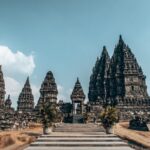
| 1 | Prambanan Temple & Ramayana Ballet | Ratu Boko Palace for sunset | Dinner with local specialties |
| 2 | Merapi Museum & Nature sites (e.g. Klangon Hill) | Agrowisata Bhumi Merapi | Relax in Kaliurang |
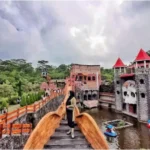
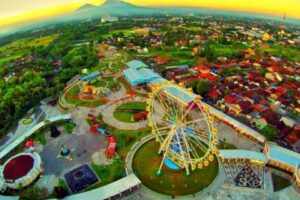
| 3 | Affandi Museum & Ullen Sentalu Museum | Desa Wisata (e.g. Pancoh) | Enjoy attractions like Lost World Castle or Sindu Kusuma Edupark |


Add Comment